
Cabling, Bracing & Structural Support
Advanced tree support systems that strengthen weak trees and extend their life for decades.
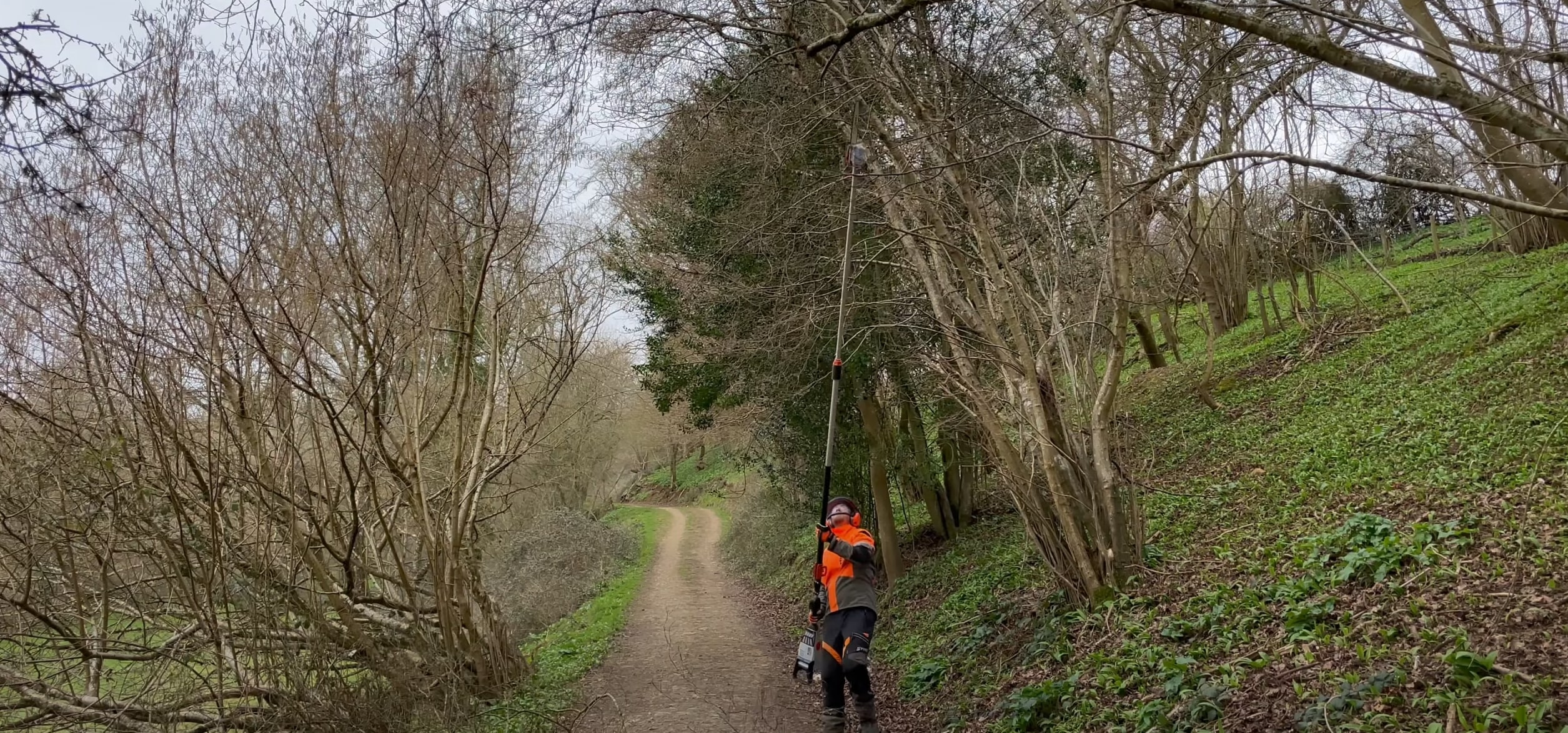
Save Your Trees Before It's Too Late
Not every tree with structural problems needs to come down. Sometimes the best solution is supporting weak areas so the tree can continue growing safely for many more years. That's where cabling and bracing come in. These proven techniques stabilize trees that might otherwise fail during storms or simply under their own weight.
Mature trees add tremendous value to your property. They provide shade, beauty, and curb appeal that takes decades to replace. When a valuable tree develops structural weaknesses, removing it feels like losing an old friend. Before you make that decision, let us evaluate whether cabling or bracing can save it.
We've been installing tree support systems in Waterloo since 2024. We understand which trees are good candidates for support and which ones are better off removed. Our goal is to preserve healthy trees whenever possible while keeping your property safe.
Understanding Cabling and Bracing
Cabling and bracing are two different techniques, often used together, that reinforce weak points in a tree's structure. Here's how each one works:
Tree Cabling
We install flexible steel cables high in the tree canopy to limit movement of weak branches or co-dominant stems. The cables reduce stress on weak unions during wind and ice storms. This system is installed above the weak point and allows natural tree movement while preventing catastrophic failure.
Tree Bracing
We use threaded steel rods to bolt through weak unions or cracks, physically pulling the split wood back together. Bracing provides rigid support and is typically installed lower in the tree than cables. It's ideal for trees with splits or cracks that haven't completely separated yet.
When Trees Need Structural Support
Certain tree conditions make great candidates for cabling and bracing. Multiple trunks growing from a single point often develop weak unions that can split apart. Large horizontal branches extending far from the trunk may need support to prevent breaking. Trees with included bark, where bark grows between two stems instead of wood, are prone to failure.
We also install support systems for trees with sentimental or historic value. That giant oak your great-grandparents planted deserves every chance to survive. Trophy trees that define your property's character are worth the investment in proper support. Even trees growing in challenging locations, like near power lines or over structures, benefit from reduced risk of branch failure.
Our Installation Process
We start every support project with a thorough evaluation. Our arborist examines the tree's structure, identifies weak points, and determines if support systems will actually help or if removal is the safer choice. Not every tree is a good candidate, and we'll give you honest advice about what makes sense for your situation.
If we recommend cabling or bracing, we design a custom system for your specific tree. We use high-quality materials rated for the loads they'll carry. Installation requires climbing the tree and working at significant heights, but our trained crew handles it safely and efficiently. The hardware is positioned to minimize damage to the tree while providing maximum support.
After installation, we inspect the system annually to ensure it's functioning correctly. Trees grow and change over time, and the support system may need adjustments. Regular tree maintenance and professional pruning help extend the effectiveness of the support system. If a tree eventually becomes too hazardous despite support, we also provide hazardous tree removal services.
The Benefits of Tree Support Systems
Installing cables and braces costs a fraction of removing and replacing a mature tree. You preserve the shade, beauty, and property value that the tree provides. Your lawn stays green instead of getting torn up by removal equipment. You avoid the decades-long wait for a new tree to reach the same size.
Support systems reduce risk without eliminating the tree. You gain peace of mind knowing that weak areas are reinforced and less likely to fail during storms. Insurance companies sometimes require documentation of tree maintenance and risk reduction, and support systems provide that documentation.
From an environmental perspective, keeping mature trees alive benefits everyone. Large trees produce oxygen, filter air pollution, provide wildlife habitat, and reduce stormwater runoff better than young trees or empty space. When we can safely preserve them, everyone wins.